


 Deutsch
 English
 Español
 Français
 Nederlands
 Português


 Share
Share




Russia Files Criminal Case Against Netherlands Over 'Stolen' Crimea Gold
Russia has initiated a criminal case against the Netherlands, Ukraine, and Amsterdam's Allard Pierson Museum, accusing them of 'theft' of a valuable collection of Scythian gold artifacts from Crimea. This dramatic escalation in the decade-long legal battle over the 565 ancient treasures comes after Dutch courts repeatedly ruled the artifacts must be returned to Ukraine under UNESCO conventions. The Russian Investigative Committee, the country's highest investigative body, filed the case on March 13, 2026, claiming the collection became Russian property following Moscow's 2014 annexation of Crimea.
What is the Crimea Gold Dispute?
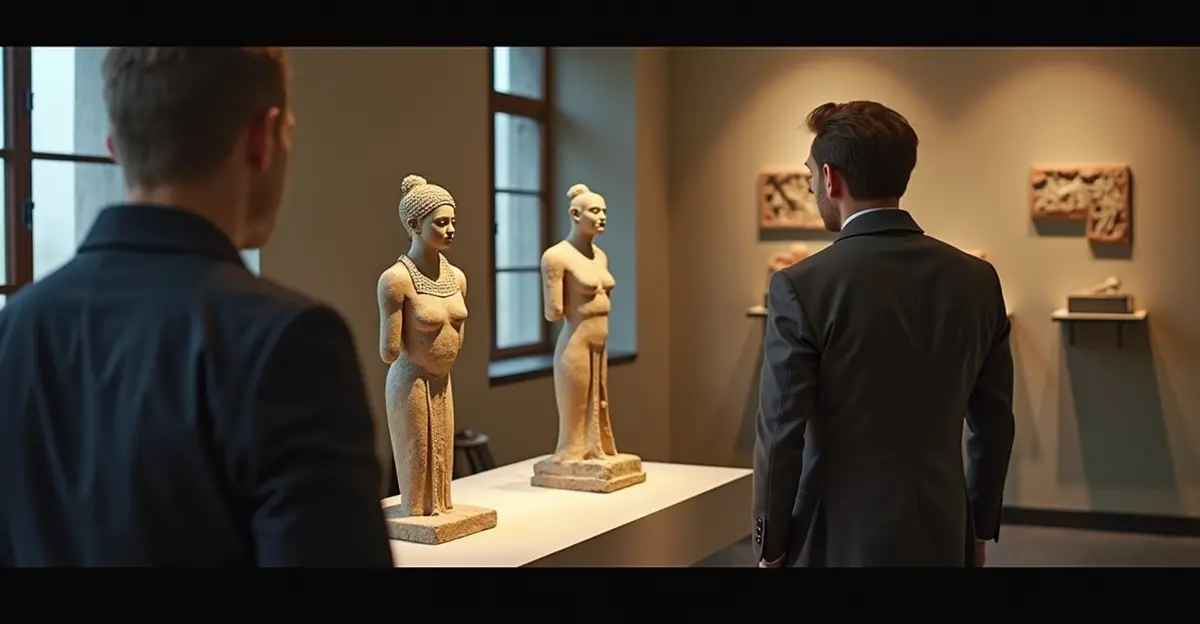
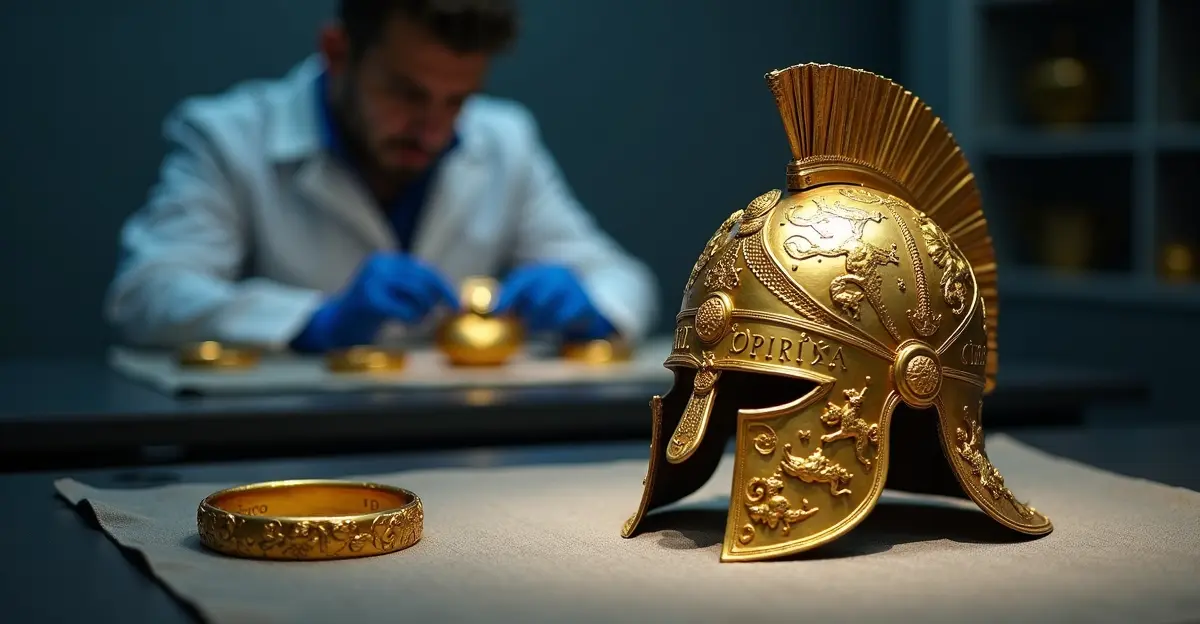
The Scythian gold collection consists of 565 ancient artifacts dating from the 6th century B.C., including antique sculptures, Scythian and Sarmatian jewelry, and 2,000-year-old Chinese lacquer caskets. These treasures were loaned by four Crimean museums to Amsterdam's Allard Pierson Museum in 2014 for an exhibition titled 'Crimea: Gold and Secrets of the Black Sea.' While the exhibition was underway, Russia annexed Crimea, creating an immediate ownership dispute over the collection valued at approximately 1.3 million euros (though some experts estimate auction values could reach 200 million euros).
The legal battle that followed represents one of the most complex cultural heritage disputes in modern history, involving international law, UNESCO conventions on cultural property, and the political implications of territorial annexation. The Dutch museum, caught between two claimants, decided to hold the artifacts while awaiting judicial clarification.
Timeline of the Legal Battle
2014-2016: Initial Court Decisions
In 2016, the Amsterdam District Court made a landmark ruling that the artifacts belonged to Ukraine based on UNESCO conventions requiring cultural property to be returned to the state that loaned it. The court emphasized that the loan agreement was between the Allard Pierson Museum and Ukraine, not the individual Crimean museums. This decision sparked immediate outrage in Russia, with officials calling it a 'politically motivated' judgment.
2017-2021: Appeals and Higher Court Rulings
Russia and the Crimean museums appealed the decision, but in 2021, the Amsterdam Court of Appeal upheld the original ruling. The court stated that while the artifacts originated from Crimea, they were part of Ukraine's cultural heritage and must be returned to the Ukrainian state. This decision was based on the principle that cultural property should not be affected by changes in territorial control.
2023: Final Resolution and Transfer
In June 2023, the Netherlands Supreme Court rejected Russia's final appeal, making the decision legally binding. The court ordered the immediate transfer of the collection to Ukraine's National Museum of History in Kyiv. On November 26, 2023, after nearly a decade in Amsterdam, the artifacts were finally returned to Ukrainian control. The Allard Pierson Museum waived storage fees and helped cover transport costs, marking the end of the legal proceedings—or so it seemed.
Russia's Criminal Case: Key Allegations
The Russian Investigative Committee's criminal case alleges that Dutch and Ukrainian officials, along with museum staff, committed 'theft and non-return' of cultural valuables. According to Russian authorities, the artifacts became Russian property following the 2014 annexation of Crimea, and their transfer to Ukraine constitutes a criminal act. The committee estimates the collection's insurance value at 117 million rubles (approximately $1.5 million).
Russian legal experts claim jurisdiction based on a controversial interpretation of Russian law that allows prosecution of foreign nationals for actions taken abroad if those actions are 'directed against Russian interests.' This approach has been criticized by international legal scholars who note that Russia's annexation of Crimea is not recognized by the United Nations or most countries worldwide.
International Reactions and Implications
The Dutch Ministry of Foreign Affairs has stated it is aware of the Russian criminal case but considers the matter legally settled by Dutch courts. A spokesperson told reporters, 'The Dutch judicial system has ruled definitively on this matter, and the artifacts have been returned to Ukraine in accordance with international law and UNESCO conventions.'
Ukrainian officials have dismissed the Russian case as 'political theater.' 'This is nothing more than propaganda designed to create the illusion of legal legitimacy for Russia's illegal annexation of Crimea,' said Ukrainian Culture Minister Oleksandr Tkachenko. 'The artifacts are safely stored in Kyiv and will remain part of Ukraine's cultural heritage.'
International legal experts express concern about the precedent this case could set for cultural heritage disputes in conflict zones. Dr. Maria van der Heijden, a professor of international cultural heritage law at Leiden University, commented: 'This represents a dangerous escalation where cultural artifacts become pawns in political conflicts. The Dutch courts correctly applied established international law, but Russia's response shows how cultural heritage can be weaponized.'
What Happens Next?
The criminal case is unlikely to result in practical consequences for Dutch or Ukrainian officials, as Russia lacks jurisdiction over them. However, it represents a significant diplomatic escalation and could complicate future cultural exchanges between Russia and Western countries. The case also highlights broader issues about the protection of cultural heritage during armed conflicts and territorial disputes.
For now, the Scythian gold remains in Kyiv, where it is being studied and prepared for eventual exhibition. Ukrainian authorities have stated the collection will be displayed once security conditions permit, serving as a symbol of Ukraine's rich cultural history and resilience.
Frequently Asked Questions
What is Scythian gold?
Scythian gold refers to ancient artifacts created by the Scythians, an Eastern Iranic nomadic people who inhabited the Pontic Steppe (modern Ukraine and Southern Russia) from the 9th to 3rd centuries B.C. The collection includes jewelry, weapons, and decorative objects featuring distinctive 'Animal Style' art.
Why did Dutch courts rule in Ukraine's favor?
Dutch courts based their decisions on UNESCO conventions that require cultural property on loan to be returned to the lending state. Since Ukraine was the state that authorized the loan in 2014, and Russia's annexation of Crimea is not internationally recognized, the artifacts legally belonged to Ukraine.
Can Russia prosecute foreign nationals in this case?
While Russian law claims jurisdiction over actions 'against Russian interests' anywhere in the world, this interpretation conflicts with international law principles of territorial jurisdiction. Most legal experts consider Russia's criminal case unenforceable against Dutch and Ukrainian officials.
What is the value of the collection?
The Russian Investigative Committee estimates the insurance value at approximately $1.5 million, but art historians suggest the auction value could be significantly higher—potentially reaching $200 million given the historical significance and rarity of the artifacts.
Where are the artifacts now?
The 565 Scythian gold artifacts are currently stored at the National Museum of History of Ukraine in Kyiv. They were transferred from Amsterdam in November 2023 following the final Dutch Supreme Court ruling.




Follow Discussion